
ANIMATION & MOTION GRAPHICS
Motion that moves
your audience to action
Animation gives you complete control over what the audience sees. It can simplify complicated information, bring a brand to life, demonstrate a process, explain a product or add movement and energy to existing content. Disrupt can handle the entire animation process, from concept, script, visual and audio. Let’s get the results you need with animation.
What types of animations do we produce?
Our work includes:
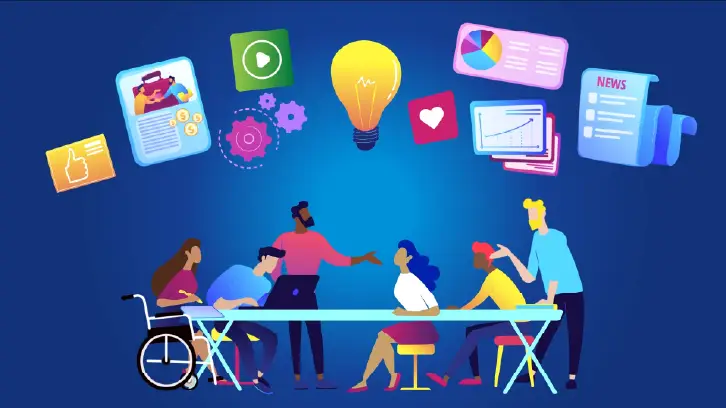
EXPLAINERS
We turn processes, products and services into short animated stories, that visually guide viewers through how things work and what they need to know with confidence.
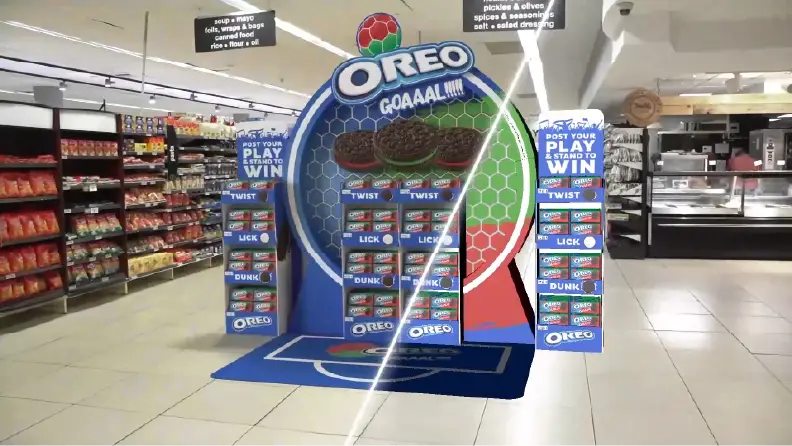
3D ANIMATION
We create dimensional animated worlds, products and characters that add depth and realism to your story, visualise concepts and make complex ideas easier to understand.

MOTION GRAPHICS
We combine typography, graphics and movement to communicate ideas with clarity, for campaigns, social content and digital platforms in a style that fits your brand.
What is an explainer video?
An explainer video is a short video designed to help an audience understand something quickly. It might explain how a service works, introduce a new product, demonstrate a process or take a complicated business idea and turn it into a clear visual story. Animation works particularly well for subjects that are abstract, technical or difficult to demonstrate using conventional video.
Can you help write the script?
Yes. We can take technical information, strategy documents, presentations or rough notes and turn them into a structured animation script. The aim is to decide what the audience really needs to understand before deciding what should appear on screen. Once the script is agreed, we develop the visual approach, storyboard and animation.
What is the animation production process?
Most animation projects begin with the script. From there we develop the visual style and storyboard so that you can see how the story will unfold before full animation begins. Once the storyboard is approved, we move into animation, voice-over, music and sound design before producing the final versions.This approval process avoids spending time animating scenes that may later need to be completely rebuilt.
How much does animation cost?
Animation costs depend largely on the length, complexity and style of the animation. A short logo animation may only involve a few seconds of movement. A detailed explainer video can require illustration, character design, storyboarding, voice-over and considerably more animation time. We quote each project according to the actual production requirements rather than using a fixed cost per minute.
How long should an explainer animation be?
As long as it needs to be, and no longer. For many marketing applications, shorter videos tend to work well. Training, product demonstrations and more technical subjects may require additional time. The important question is whether every part of the animation is helping the audience understand the message. As a guide, a max of 90 seconds is usually enough to set up a problem your customers face, and deliver how your product solves that problem with three main benefits.
Can you animate our existing brand?
Yes. We regularly work with existing brand identities, graphic elements, illustrations, presentations and design systems. The animation can follow established brand guidelines or we can develop an appropriate motion style for the project.
Can you animate an existing logo?
Yes. A logo animation can be very simple or more expressive depending on the brand. It can be used as an opening or closing device for video, on websites, at events, in presentations or as part of a broader motion identity. We work with the existing logo artwork and develop movement that feels appropriate to the identity.
Do we need to provide illustrations?
No. We can create the visual assets required for the animation. If you already have brand illustrations, icons, diagrams or other design elements, we can work with those too.
Can animation be used for training?
Yes. Animation is particularly useful when training needs to explain a process consistently or show something that would be difficult to demonstrate in real life. Animated diagrams, interfaces, scenarios and step-by-step sequences can make training material much easier to follow.